Every plant manager has faced the same problem whereby a control cabinet failure can bring production to a complete halt. The VFD overheats, the PLC starts throwing errors and suddenly you’re looking at hours of unplanned downtime. In hazardous industrial environments, this scenario becomes even more challenging because standard cooling methods simply aren’t an option.
Industrial electrical cabinets generate heat continuously as components operate, and when ambient temperatures in Thailand regularly reach 35-40°C, that heat has nowhere to go. Add flammable gases, combustible dust or explosive atmospheres into the equation, and the stakes become much higher. Standard fans and air conditioners introduce ignition risks and ventilation alone rarely provides adequate cooling. This is where ATEX cabinet cooling systems become essential.
Why Standard Cooling Solutions Fall Short in Hazardous Zones
Traditional cooling approaches rely on electrical motors, compressors and moving parts, all of which are potential ignition sources in explosive atmospheres. When your facility operates in ATEX Zone 2 or Zone 22 environments, compliance requirements eliminate most conventional options. You need cooling that reduces heat buildup while meeting strict safety standards.
ATEX cabinet coolers address this challenge through compressed air technology as they create a cooling effect without introducing electrical components or moving parts inside the enclosure, maintaining safe operating temperatures while reducing ignition risks. For facilities across Thailand operating under high ambient temperatures, these systems provide both equipment protection and regulatory compliance.
Understanding ATEX Zones and Certification Requirements
ATEX certification regulates equipment used where flammable gases, vapours, or combustible dust may be present. These environments are classified into zones based on how frequently hazardous materials appear:
Zone 2 covers gas or vapour atmospheres unlikely to occur during normal operation and, if present, existing only briefly.
Zone 22 applies the same principle to dust-based hazards.
Equipment operating in these zones must meet defined safety and performance requirements. ATEX cabinet coolers comply with international standards including EN and IEC 60079-2, which focus on purged and pressurised enclosures. These standards ensure any potentially hazardous substances inside the cabinet are removed before equipment energisation.
Certification markings communicate essential details about protection methods, temperature limits, and suitable environments. For engineers and plant managers, these markings confirm the cooling system matches their specific application. In regulated industries, properly certified equipment is mandatory for safe operations and compliance obligations.
How Purge and Pressurisation Systems Deliver Safe Cooling
Cabinet coolers operate on purge and pressurisation principles. Before electrical components power on, the purge system flushes clean air through the enclosure, removing any traces of flammable gas or combustible dust. This process converts the cabinet’s internal space into a non-hazardous zone. Once purging completes, the system maintains slight positive pressure inside the cabinet, preventing external contaminants from entering.
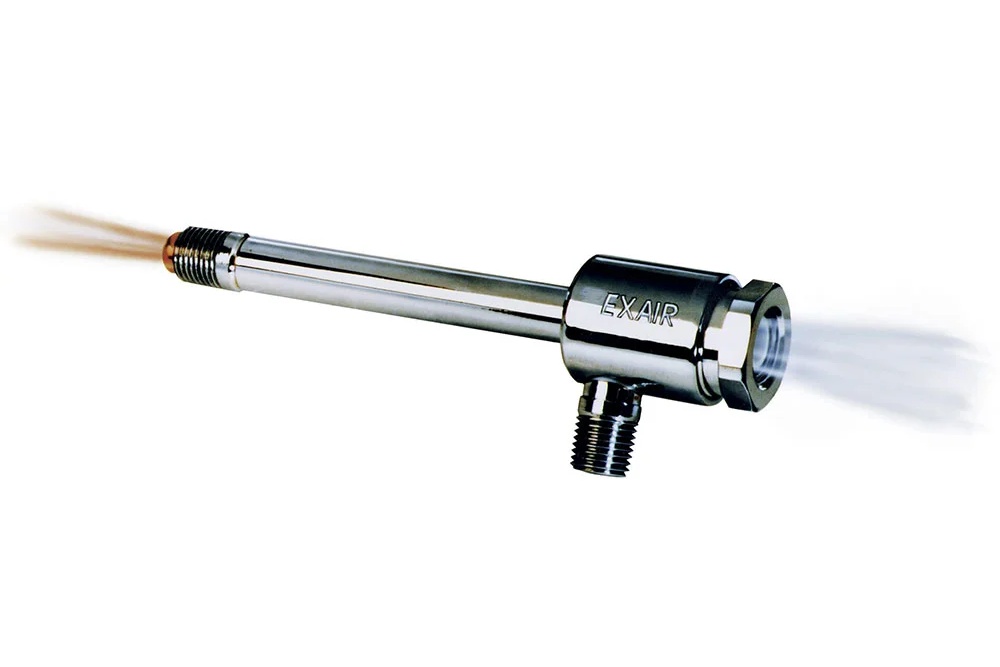
The cooling mechanism uses compressed air passing through a vortex-style device to produce cold air without electrical power or refrigerants. This design remains reliable even when ambient temperatures reach demanding levels. Operating limits for inlet air temperature and pressure ensure consistent performance without overstressing the system. Available cooling capacities support a wide range of cabinet sizes and heat loads.
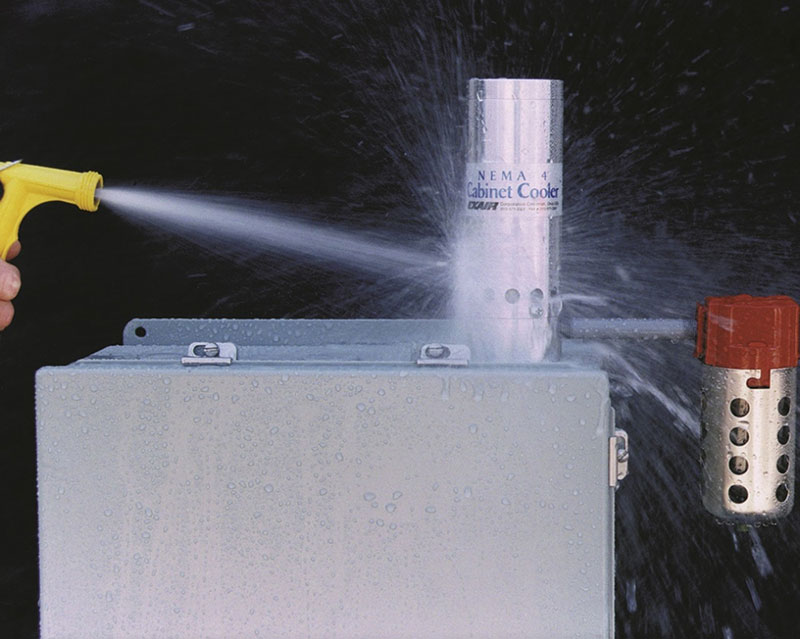
Installation typically mounts through standard electrical knockouts while preserving enclosure ratings like NEMA 4 or 4X. The outcome is an efficient, low-maintenance solution delivering stable cooling where safety cannot be compromised.
Practical Advantages Beyond Compliance
Systems without moving parts reduce maintenance requirements and minimise failure points. Optional thermostat controls manage compressed air usage efficiently, activating cooling only when temperatures exceed set thresholds. Even air distribution inside the cabinet prevents hot spots that damage sensitive electronics.
In Thailand’s industrial sector, facilities often operate continuously under high ambient temperatures. These conditions make temperature management particularly challenging. ATEX cooling systems contribute to improved uptime and reduced operational risk by addressing both safety requirements and thermal performance simultaneously.
Selecting the Right Cabinet Cooling Solution
Choosing an appropriate cooling system requires evaluating several factors:
- Enclosure size and internal heat load
- Dust exposure levels and types
- Moisture risk and humidity levels
- Required protection ratings
- ATEX zone classification
- Available compressed air supply
Solutions rated to maintain protective standards like NEMA 4 (IP66) ensure cooling doesn’t compromise environmental resistance, a critical balance when equipment faces both heat and challenging external conditions. For facilities managing hazardous environments, the EXAIR Cabinet Coolers NEMA 4 (IP66) provide a reliable and compliant cooling solution.
Taking Action on Cabinet Thermal Management
Temperature-related cabinet failures are predictable and preventable. If your facility operates in classified hazardous areas, now is the time to assess your current cooling approach. Review your enclosure temperatures, evaluate your ATEX compliance status, and determine whether your existing systems adequately protect critical control equipment.
ATEX certified cooling solutions provide a proven path to reliable thermal management in challenging environments. They deliver the safety performance regulations demand while maintaining the operational stability your production processes require.