

Electrical enclosures are at the heart of almost every production facility housing the drives, PLCs, power supplies and control systems that keep operations running. What goes unnoticed, until something fails, is how much heat those components generate and how quickly that heat accumulates inside a sealed panel.
When thermal management falls short, the consequences are predictable with increased fault rates, reduced component lifespan and unplanned downtime. In Thailand’s the ambient temperatures regularly push into the high thirties and facilities contend with dust, oil mist and humidity year round, getting enclosure cooling right is not a secondary concern.
Two technologies are commonly used to manage panel temperatures: air-to-air heat exchangers and cabinet coolers powered by compressed air. Both serve the same basic purpose, but they perform very differently under demanding conditions.
How Air-to-Air Heat Exchangers Work
Air-to-air heat exchangers remove heat from inside an enclosure by transferring it to the surrounding air. The system depends on a temperature differential, the internal cabinet air must be meaningfully hotter than the ambient environment for heat transfer to occur efficiently. A refrigerant cycles between liquid and vapour states, absorbing heat on the internal side and releasing it externally before the cycle repeats.
This approach works well in controlled environments where ambient temperatures remain stable and significantly lower than internal cabinet temperatures. The challenge in many Thai factories is that ambient conditions are not constant. As factory floor temperatures rise particularly through the hotter months and the gap between internal and external temperatures narrows, and with it, the cooling performance of the heat exchanger drops. To maintain adequate cooling, larger units may be required, which adds to physical footprint and complicates installation.
Contamination is another practical concern. Because air-to-air systems depend on contact with the surrounding atmosphere to shed heat, their external surfaces are continuously exposed to whatever is in the air around them. Dust, oil particles and fine particulate matter accumulate on heat transfer surfaces over time. Even a relatively thin layer of contamination acts as insulation, reducing efficiency noticeably. Filters can be added to slow this process, but they introduce their own maintenance requirements. And when a filter becomes clogged, airflow drops and the system loses effectiveness at exactly the point when it is most needed.
How Cabinet Coolers Deliver Consistent Cooling
Cabinet coolers take a fundamentally different approach. Rather than exchanging heat with the surrounding environment, they use compressed air to generate a stream of cold air that is directed into the enclosure. Because the cooling effect is produced independently of ambient conditions, the surrounding temperature has far less influence on performance.
Cooling capacity is determined by the volume and pressure of compressed air supplied, giving engineers a controllable and predictable output. Even when factory temperatures rise above the target internal cabinet temperature (a situation where an air-to-air heat exchanger would struggle) a cabinet cooler continues to function as intended. Specialised high-temperature models extend this capability further, maintaining performance in environments where other systems are no longer effective.
A well-specified option for facilities requiring robust sealing is the Cabinet Cooler (NEMA 4 / IP66), which is rated to protect against dust, water ingress and the kind of harsh conditions common in Thai production environments. The NEMA 4 / IP66 rating makes it suitable for facilities where washdowns, high humidity or significant airborne contamination are ongoing challenges rather than occasional occurrences.
Cabinet coolers are also sealed systems with no moving parts, which directly affects reliability and maintenance requirements. With no internal components subject to mechanical wear and no reliance on ambient air for heat rejection, performance remains stable in dusty or oily environments as long as clean, moisture-free compressed air is supplied. Maintenance demands are minimal compared to systems that depend on clean airflow from the surrounding environment.
Installation and Space Considerations
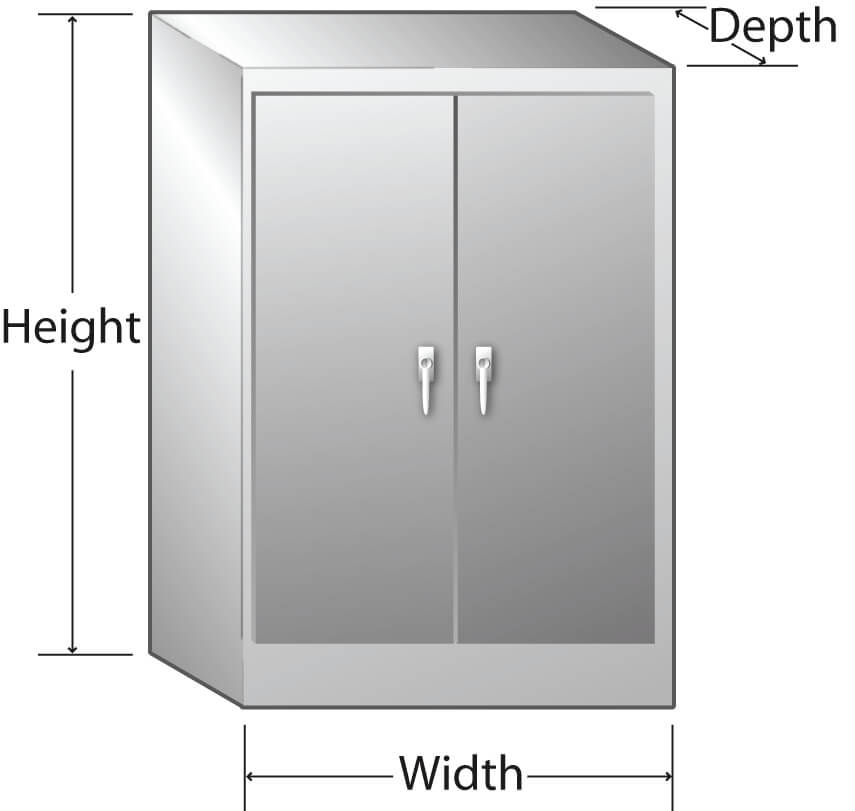
Space around electrical panels is frequently limited, and adding cooling hardware can create access issues for maintenance teams or require structural modifications to the enclosure itself. Air-to-air heat exchangers and particularly the higher-capacity models, can be physically substantial. Installation may involve cutting large openings, reinforcing the panel structure and allocating additional clearance on all sides.
Cabinet coolers are considerably more compact and straightforward to retrofit. Their smaller footprint reduces interference with surrounding equipment, and installation typically involves simpler mounting and connection steps. For facilities looking to upgrade cooling on an existing panel without significant downtime or modification, this is a meaningful practical advantage.
When assessing total cost of ownership, initial purchase price is only part of the picture. Downtime for maintenance, filter replacement intervals, the risk of performance degradation in hot or dirty conditions and the cost of reactive maintenance should all factor into the decision. In facilities where production continuity is closely tied to targets and margins, a cooling solution that delivers consistent, low-maintenance performance over time has clear operational value.
Understanding how each technology responds to real factory conditions (rather than ideal ones) is what leads to a reliable long-term decision. For manufacturers and facilities teams in Thailand looking for technical guidance or to source industrial cooling products suited to local conditions, then feel free to get in touch.


